Custom Whale Patch Embroidery Design
First Impression: Soft, Whimsical, and Instantly Recognizable
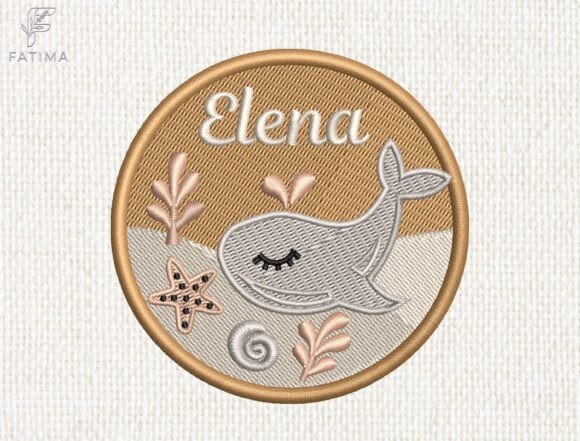
As an embroidery designer who’s prepped over 200 craft fair booths in the past decade, my first thought when I see Custom Whale Patch Embroidery Design is: “This will stop parents in their tracks.” It’s not bold or loud—it’s soft, whimsical, and quietly premium. The sleepy whale motif paired with coral, seashells, and gentle ocean cues lands perfectly in the Nursery category without feeling cutesy or dated. It reads as modern handmade—not mass-produced—and carries that subtle seaside calm shoppers associate with mindful parenting and intentional gifting. At a glance, it feels like a hug in stitch form.
Where It Shines on Craft Fair Products
This design thrives where warmth and detail matter most. On tote bag designs, it works beautifully centered near the bottom hem—small enough to feel intentional, large enough to read from three feet away. As apron embroidery, it adds quiet charm above the pocket without overwhelming the fabric. For tea towel embroidery, it holds up well on medium-weight cotton—especially when placed in the lower corner, where the round shape balances the towel’s clean lines.
The embroidered patch version? That’s your booth’s secret weapon. Sewn onto denim pouches, linen pillow covers, or even folded market bags, it signals craftsmanship instantly. Customers instinctively reach for items with visible patches—they’re tactile, collectible, and feel more “designed” than direct-embroidered pieces. And yes—it translates seamlessly into commercial embroidery for small-batch production, especially when stitched on light-to-medium fabrics like chambray, organic cotton twill, or brushed poly-cotton blends.
What Works Online—and What Needs Extra Care
For Etsy sellers and digital crafters, Custom Whale Patch Embroidery Design photographs exceptionally well. Its round composition creates natural framing for mockups; pair it with soft neutral backdrops or coastal-toned textiles and you’ll get strong click-throughs. As a printable mockup asset, it supports cohesive branding across listings—think matching tea towels, baby bibs, and wall art bundles.
But here’s where attention matters: those “soft seaside elements” (coral, seashells) suggest delicate line work. If the original machine embroidery design includes tight curves or overlapping motifs, stitch density could become an issue on textured towels or thick canvas. Tiny details may blur on dark fabric unless thread contrast is high—so always test with your intended thread colors before batch production. And avoid placing it directly over seams or heavy folds (like cap crowns)—the curved surface of a baseball cap can distort fine elements unless the hoop size and digitizing account for it.
Practical Production Notes Every Designer Should Check
- Test on scrap fabric first—especially if using terry cloth, linen, or unbleached cotton. These absorb stitches differently and can mute detail.
- Confirm stabilizer choice: lightweight cutaway for stable fabrics, tear-away for smooth cottons, and mesh for knits or stretchy blends.
- Review spacing between elements: coral and shells shouldn’t crowd the whale—if they do, trimming or repositioning improves clarity at smaller sizes.
- Create at least one real mockup before the fair. A single embroidered tote bag tells you more about drape, scale, and customer reaction than ten digital previews.
- Compare fabric colors side-by-side. What reads as “ocean blue” on screen may shift to sage or slate in person—especially under tent lighting.
- Verify commercial licensing before selling finished products. If this is a digital embroidery file from a third-party marketplace, confirm it permits resale of physical goods—not just personal use.
Why It Strengthens Your Booth & Brand
In a sea of generic florals and trendy typography, Custom Whale Patch Embroidery Design adds emotional resonance. It doesn’t shout—it invites. Parents pause, smile, and say, “That’s exactly what my nursery needs.” That micro-moment of connection is gold at a craft fair. It also reinforces handmade product credibility: the layered textures of coral and shell suggest thoughtful digitizing, not auto-traced clipart.
Used consistently across your small shop product line—say, on a whale-embroidered tea towel, matching pouch, and baby milestone blanket—it builds visual rhythm and brand recognition. Shoppers begin to associate your booth with calm, quality, and coastal storytelling. And because it’s rooted in the Nursery category but executed with mature restraint, it avoids trend fatigue. This isn’t a “2024 summer-only” piece—it’s evergreen, adaptable, and emotionally durable.
Final Thought: A Design That Sells Because It Feels Human
At the end of a long craft fair day, what sells isn’t the flashiest font or the densest fill stitch—it’s the piece that makes someone pause, remember a feeling, and imagine it in their home. Custom Whale Patch Embroidery Design does that. It’s practical for embroidery business owners to produce, versatile for Cricut and embroidery crafters, and deeply resonant for buyers seeking meaning over mass. Just remember: its strength lies in softness, so protect that intention through every step—from stabilizer selection to booth lighting. When done right, this isn’t just another craft fair product. It’s a tiny, stitched invitation to slow down—and that’s something people are willing to pay for.