Cute Aviator Bear Embroidery Art
First Impressions: Charming, Not Cloying — A Design That Breathes
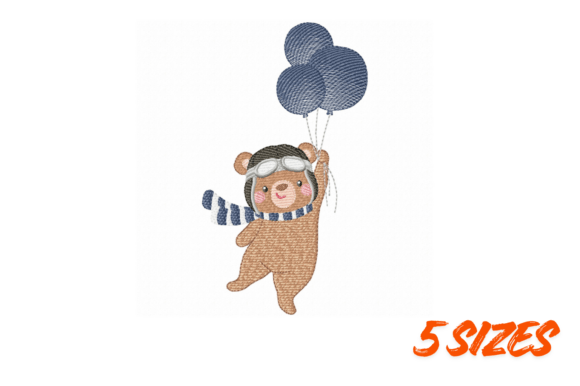
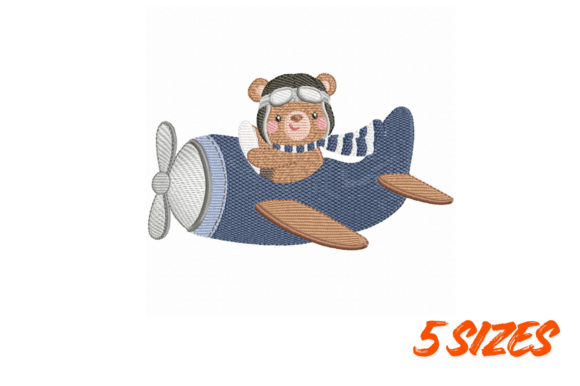
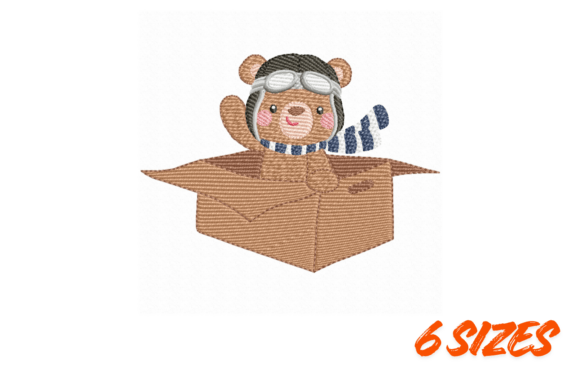
When I opened the Cute Aviator Bear Embroidery Art file, what struck me wasn’t just the whimsy—it was the restraint. This isn’t a cluttered, over-stitched cartoon bear wearing goggles; it’s a thoughtfully composed machine embroidery design with clean lines, intentional negative space, and gentle proportions. The aviator theme reads instantly—goggles perched, scarf fluttering—but never at the expense of legibility or stitch integrity. As a designer who’s stitched hundreds of teddy bear motifs, I appreciate how this one avoids visual fatigue: no tiny eyelashes demanding 60% satin stitch density, no fussy fur texture that collapses on cotton twill. It feels like a design made *for* real fabric—not just screen previews.
Real Project Test: A Personalized Baby Towel for a Nursery Boutique Launch
Last week, I used Cute Aviator Bear Embroidery Art on a set of organic cotton tea towels for a local nursery boutique’s holiday collection. We paired it with soft navy thread on ivory terry cloth—no applique, just direct fill and satin stitch. The result? Immediate warmth. Parents paused at the display. One mom said, “It looks like something my grandfather would’ve sketched—and then someone brought it to life with thread.” That’s the sweet spot: nostalgic but fresh, playful but not infantilizing. The bear’s posture—slightly tilted head, relaxed arms—gave the towel movement, not stiffness. And because the design avoids tight corners and micro-details, it stitched flawlessly even on the towel’s looped surface.
Where It Shines (and Why)
- Custom apparel: Works beautifully on sweatshirt cuffs, pocket flaps, and toddler hoodie backs—its compact height (no taller than 3.5") keeps scale balanced without overwhelming the garment.
- Baby embroidery: Gentle curves and open shapes make it ideal for onesies and burp cloths—no dense fill areas that stiffen delicate fabrics.
- Embroidered patch: Clean outer edge and moderate stitch density mean it cuts cleanly from backing and holds shape after heat-pressing onto denim or canvas.
- Holiday embroidery & personalized gifts: Paired with simple monogram initials in the corner, it becomes a cohesive, heirloom-ready motif—no extra embellishment needed.
- Etsy seller & small shop product: It photographs well across devices, scales nicely in printable mockups, and reads clearly even in thumbnail listings—critical for scroll-driven discovery.
Where to Proceed With Care
This isn’t a one-size-fits-all embroidery file—and that’s a strength, not a limitation. Its charm depends on thoughtful execution:
- Small hoop sizes: While it fits comfortably in a 4x4 hoop, avoid pushing it into a 3x3 unless you’re willing to simplify or resize manually—some scarf flow and goggle curvature will compress awkwardly.
- Textured or stretchy fabric: On ribbed knit baby caps or jersey tote bags, use cutaway stabilizer *under* and tear-away *on top* to keep those smooth satin-stitch goggles crisp—not wavy.
- Dark fabric: The design relies on subtle layering (e.g., scarf under chin, shadow beneath goggles). On charcoal or navy, test thread contrast first—medium-gray or oatmeal thread often reads more softly than black.
- Curved surfaces (like baseball caps): The bear’s centered face works well on front panels, but avoid placing it too high on the crown—the slight tilt can distort. Stick to the flat front panel or side seam area.
- Frequent-wash items: Because it uses balanced fill and satin stitches—not ultra-dense fills—it holds up well on kitchen towels and bibs, but always pre-wash fabric and secure thread tails thoroughly.
Design Integrity Meets Customer Trust
In my craft business, every embroidered item carries unspoken promises: durability, intentionality, care. Cute Aviator Bear Embroidery Art supports that promise. Its clarity builds customer trust—no squinting to recognize the motif, no confusion about theme. When buyers see it on an Etsy listing or boutique shelf, they instantly grasp the story: adventure, tenderness, quiet courage. That emotional resonance lifts perceived value. A $28 embroidered pillow cover doesn’t feel like “just thread on fabric”—it feels like a curated detail, a handmade product with narrative weight.
Practical Designer Notes Before You Stitch
- Always run a test stitch on scrap fabric matching your final substrate—especially for thread color harmony and stabilizer choice.
- Review stitch density visually in your embroidery software. If fill areas look overly heavy, reduce density by 5–10% before sending to machine.
- Check whether the design includes jump stitches near the bear’s ears or scarf ends—trimming those manually post-stitch prevents snags on delicate baby items.
- Try a black-and-white mockup. Does the silhouette hold? Does the aviator theme read without color cues? (It does—cleanly.)
- Confirm licensing terms before using Cute Aviator Bear Embroidery Art in commercial embroidery projects or digital product previews—if resale rights aren’t explicitly stated, assume personal use only.
- For craft fair booths or Instagram posts, pair it with minimalist props: raw linen, matte ceramic, unbleached cotton—to let the design’s quiet confidence speak for itself.
Final Thought: A Design That Serves the Maker First
Cute Aviator Bear Embroidery Art doesn’t shout. It invites. It’s the kind of embroidery file that makes you slow down—check your tension, choose your thread deliberately, press the hoop with attention. That’s rare. In a market flooded with busy, trend-chasing motifs, this one respects both the stitcher’s time and the wearer’s eye. Whether you’re stitching a single personalized gift or scaling production for a children’s line, it delivers consistency without compromise. And that, honestly? Is the hallmark of a truly useful embroidery design.