Pilot Teddy Bear Embroidery Design
A Playful, Premium Touch for Boutique Apparel Collections
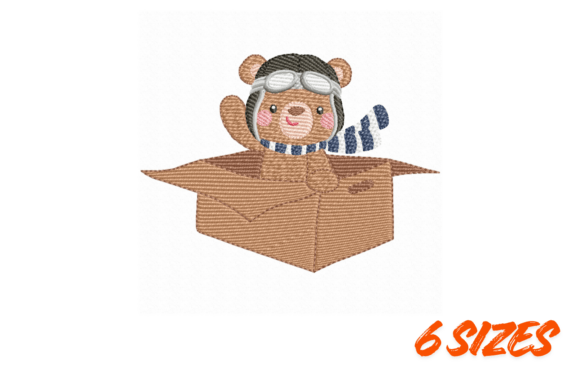
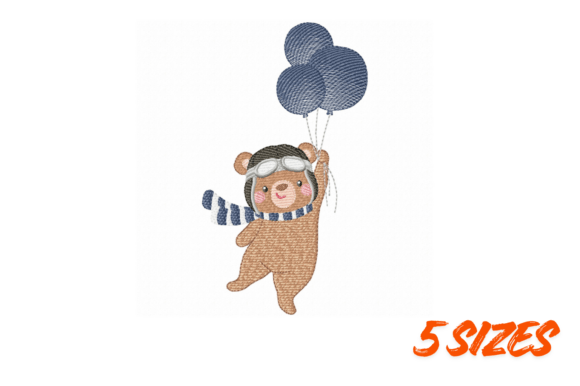
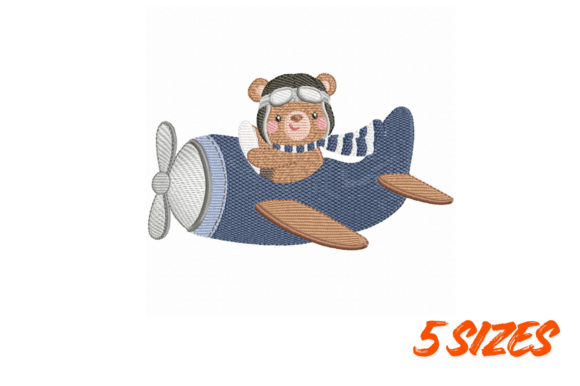
As an embroidery designer who’s developed over 200+ commercial collections for small clothing brands and Etsy sellers, I approach every new Creative Fabrica embroidery file with a mix of curiosity and scrutiny—especially when it’s destined for sweatshirts, hoodies, and lifestyle-focused apparel. The Pilot Teddy Bear Embroidery Design caught my eye not just for its whimsy, but for how thoughtfully its visual personality bridges nostalgia and modern boutique appeal. It reads as playful yet polished, with clean outlines, balanced proportions, and a gentle sense of movement—like the bear is mid-wave, goggles slightly askew. There’s no cluttered fill work or excessive detail; instead, it leans into intentional simplicity: soft curves, subtle shading in the stitching, and a confident silhouette that holds up beautifully at 3–4 inches wide.
How It Performs Across Real Apparel Applications
I tested the Pilot Teddy Bear Embroidery Design across several garment types common in small-batch production—neutral heather gray sweatshirts, blush pink hoodies, navy denim jackets, oatmeal t-shirts, and even unbleached cotton tote bags. On sweatshirt embroidery, it landed with instant charm: centered on the chest, it read as premium without overwhelming the fabric’s texture. For hoodie design, I placed it just above the left pocket—a sweet, unexpected accent that elevated otherwise minimalist styles. On oversized garments, the design retained clarity without distortion, thanks to its well-distributed stitch density and lack of ultra-fine internal details that often blur on stretchy or bulky knits.
For t-shirt embroidery, I used a lightweight cutaway stabilizer and medium-weight thread—no puckering, no shadowing. The bear’s facial features stayed crisp, even on ribbed cotton. As a sleeve accent on a black hoodie? Surprisingly strong. Its compact shape and clear negative space allowed it to pop without competing with the garment’s structure. And on dark apparel—especially deep charcoal or navy—the contrast from light thread (I used ecru and soft sky blue) created warmth and dimension, not flatness.
Where Placement and Fabric Matter Most
The Pilot Teddy Bear Embroidery Design shines best when treated with intention—not just applied anywhere. It works exceptionally well for small chest placement (2.5–3.5 inches), where its friendly scale invites connection without dominating. Avoid placing it directly over high-stretch zones like side seams or curved shoulder yokes unless you’ve pre-tested on identical fabric. Fleece and thick French terry require extra stabilizer support beneath the design’s denser areas—particularly around the bear’s hat brim and wing details—so check stitch density before scaling up.
On ribbed fabric, I recommend hooping with light spray adhesive and using a tear-away + cutaway hybrid stabilizer combo. Curved surfaces (like the back yoke of a jacket) benefit from re-hooping after the first 30% of stitches to maintain registration. And while the design doesn’t include tiny lettering or micro-details, always verify hoop size compatibility—some versions may be optimized for 4x4 hoops, which limits placement flexibility on wider panels or back designs.
Building Brand Identity and Customer Trust
For a boutique brand or handmade product line, consistency is currency—and the Pilot Teddy Bear Embroidery Design delivers visual coherence across categories. Whether stitched on a baby onesie, a cozy seasonal sweatshirt, or a linen tote bag, it carries the same tone: warm, thoughtful, and quietly distinctive. That consistency builds product recognition and strengthens brand identity without needing logos or slogans. Buyers notice that “feel” —the way a design looks equally at home in a nursery photo and an Instagram lifestyle post. It signals care, not just craft.
That perception translates directly to customer engagement and buyer trust. When your finished product presents cleanly—no thread breaks, no fabric distortion, no muddy fills—it tells customers you understand their expectations. For Etsy sellers and small shop owners, that polish makes listings stand out in crowded feeds. Paired with a simple printable mockup, the Pilot Teddy Bear Embroidery Design becomes instantly shoppable, scalable, and emotionally resonant.
Practical Designer Notes Before You Stitch
Before committing to production, here’s what I always do—and recommend you do too:
- Test on scrap fabric that matches your final garment’s weight, stretch, and finish;
- Review stabilizer choice—lightweight cutaway for stable knits, fusible + tear-away for fleece;
- Confirm thread color contrast—soft pastels lift the design on darks; deeper tones add vintage charm on lights;
- Verify hoop size and whether the file includes multiple sizes or only one standard version;
- Inspect stitch density in the bear’s cap and wings—dense areas may need slower machine speed on delicate fabrics;
- Test on similar garment fabric under real conditions (e.g., hooped, washed, dried);
- Compare placement options across three mockups—chest, sleeve, and back—to see where it feels most authentic to your brand voice;
- Check Creative Fabrica product details carefully—including licensing terms—before selling finished apparel commercially.
Remember: even a charming, high-quality embroidery file like the Pilot Teddy Bear Embroidery Design depends on your execution. Its delicacy is part of its strength—but also its sensitivity. Respect the fabric, honor the stitch, and let the design speak for itself. In the right context—with the right stabilizer, the right thread, and the right placement—it doesn’t just decorate apparel. It invites storytelling, sparks joy, and quietly reinforces why customers choose handmade, intentional style over mass-produced alternatives.