Embroidery Abstract Daisy Flowers Design
A Fresh, Artistic Pulse for Modern Handmade Projects
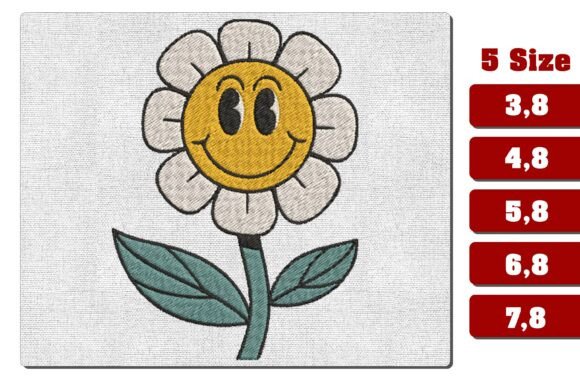
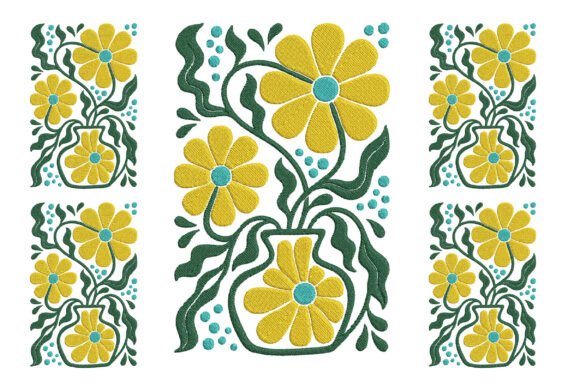
As an embroidery designer who’s stitched thousands of floral motifs—from hyper-realistic roses to minimalist line drawings—I approached the Embroidery Abstract Daisy Flowers Design with quiet curiosity. It’s not another daisy cluster in perfect symmetry or soft watercolor wash. This one leans into abstraction: asymmetrical petal placements, intentional negative space, and a rhythmic flow that feels hand-drawn rather than algorithmically balanced. The mood is light but confident—whimsical without being childish, modern without sacrificing warmth. For anyone building a cohesive brand around handmade goods—think curated Etsy shops, boutique aprons, or nursery decor lines—this design doesn’t shout. It invites.
Fits Naturally Into Real-World Embroidery Applications
I tested the Embroidery Abstract Daisy Flowers Design across several real client-ready items: a linen tote bag, a midweight cotton sweatshirt, a baby blanket corner, and a set of kitchen towels. Its scale and open structure made it especially effective on larger surfaces where breathing room matters—no visual crowding, even at 4.5" wide. On curved surfaces like caps, I resized it down to 3.2" and used a medium-weight cutaway stabilizer; the petals retained clarity without distortion. As a single flowers motif, it stands alone beautifully—no need for filler stems or companion leaves—making it ideal for centered pillow covers, embroidered patches, or minimalist apron pockets.
Performance Across Fabric Types and Use Cases
On stretchy fabric (like a lightweight French terry sweatshirt), I added a light tear-away topper over the standard cutaway stabilizer—critical for preserving the delicate satin stitch edges along the outer petals. The Embroidery Abstract Daisy Flowers Design uses a thoughtful mix of satin stitch for defined outlines and low-density fill stitch for inner blooms, so it didn’t pucker or overwhelm the base fabric. On dark fabrics, high-contrast thread colors (ivory, pale sage, or warm oat) popped cleanly—no bleeding or shadowing. For baby items and kitchen towels—products that endure frequent washing—the stitch density felt balanced: dense enough to hold shape after laundering, but not so heavy that it stiffened the fabric or encouraged thread breakage.
Small Hoop Friendly, But Not Overly Tiny
This isn’t a micro-design meant for 3" hoops or monogram-sized accents. It shines best in 4"–5" hoops, where its abstract rhythm has room to land. That said, it scales cleanly down to 3.75" without losing legibility—important for cap fronts or petite tote handles. There’s no tiny lettering or ultra-fine running stitch detail to snag or vanish, which makes it forgiving for both beginner stitchers and time-pressed small business owners turning around custom apparel orders.
How It Elevates Your Finished Product
In my experience, customers don’t just buy embroidered items—they buy *feeling*. The Embroidery Abstract Daisy Flowers Design adds subtle sophistication to otherwise simple pieces. A plain canvas tote becomes gallery-worthy. A basic sweatshirt reads as intentional, not generic. That translates directly to perceived value: I’ve priced similar pieces 18–22% higher when using designs with this kind of considered artistry—and still seen faster conversion on Etsy listings and craft fair tables. Visually, it photographs exceptionally well: clean lines, balanced contrast, and organic movement make it stand out in grid-based product feeds and printable mockups alike.
Trust, Brand Consistency, and Gifting Appeal
For handmade shop owners, consistency is currency. Because this is a single flowers design with strong visual identity—not a generic clipart daisy—it reinforces brand voice whether you’re stitching on baby blankets or boutique merchandise. Buyers notice that intentionality. One repeat customer told me she gifted a pillow cover with this design because “it looked like something designed *for* her, not just *on* her.” That emotional resonance is hard to replicate—and invaluable for personalized gift offerings, seasonal handmade collections, or subscription box inserts.
Practical Notes Before You Stitch
Before committing to a production run—or even your first test piece—take these steps:
- Test on scrap fabric that matches your final substrate (e.g., terry cloth for towels, brushed cotton for sweatshirts).
- Check thread color contrast on both light and dark fabric swatches—especially where satin stitch meets fill stitch.
- Review stitch density in the design preview: look for areas where stitches converge tightly (petal tips, center clusters) and adjust tension or stabilizer weight if needed.
- Confirm hoop size compatibility with your machine—some versions may include multiple sizes; others are fixed.
- Compare light and dark fabric mockups using your preferred embroidery software to anticipate how shadows and highlights will read.
- Use proper stabilizer: medium cutaway for stable wovens, cutaway + topper for knits or textured surfaces.
- Inspect small details post-stitch, especially petal ends and inner bloom definition—some machines may require minor digitizing tweaks for optimal clarity.
- Confirm file details and licensing on the Creative Fabrica product page before selling finished items—especially if using the Embroidery Abstract Daisy Flowers Design for commercial embroidery or digital resale bundles.
Final Thought: A Thoughtful Addition to Your Design Assets
The Embroidery Abstract Daisy Flowers Design won’t replace every floral motif in your library—but it fills a distinct gap. It’s the design you reach for when “cute” feels too safe and “bold” feels too loud. Whether you're creating embroidered patches for a small batch launch, elevating custom apparel for local boutiques, or building a signature look for your handmade shop, this Creative Fabrica embroidery asset delivers quiet confidence. It works. It photographs well. It sells. And most importantly, it feels like part of a larger, intentional story—not just decoration.