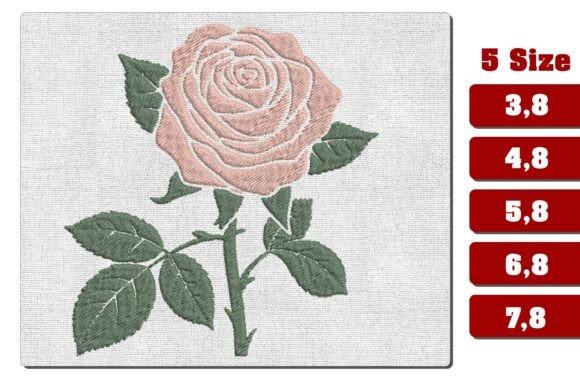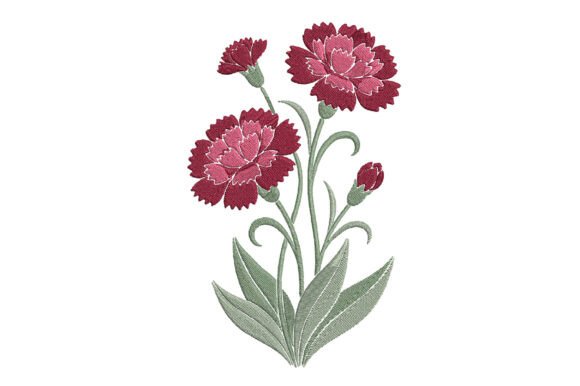
Zinnia Flowers Embroidery Design
A Seasonal Designer’s First Impression: Cheerful, Vibrant, and Unexpectedly Versatile
As an embroidery designer who’s built seasonal collections for over a decade—think Easter brunch aprons, July 4th picnic totes, Thanksgiving kitchen linens, and spring baby gift bundles—I opened the Zinnia Flowers Embroidery Design with high expectations. And it delivered: bright, layered blooms with lively petal variation and a natural sense of movement—not stiff or overly symmetrical. This isn’t just another single flower motif. It feels joyful, sunlit, and grounded in real botanical charm. The emotional tone is warm and uplifting—ideal for spring launches, summer markets, and even early-fall gifting when customers crave lightness before the holiday rush. Stylistically, it leans modern-rustic: clean enough for minimalist apparel, detailed enough for heirloom-quality pillow covers or embroidered patches. It avoids cliché while still reading instantly as “floral”—a rare balance for holiday embroidery.
Where It Shines in Real Holiday Selling Situations
The Zinnia Flowers Embroidery Design excels where seasonal emotion meets practical product use. On sweatshirt embroidery? It anchors family matching sets beautifully—especially on soft heather grays or oatmeals, where the bright thread colors pop without overwhelming. As a tote bag design, it scales well across medium to large hoops and reads clearly from a distance at craft fairs. For kitchen towel embroidery or aprons, its cheerful energy supports the “handmade gift” narrative—customers don’t just buy utility; they buy joy, nostalgia, and intention. On pillow covers and table linens, it adds quiet elegance without formality—perfect for small shop product lines that want to feel curated, not mass-produced.
It also works exceptionally well in gift bundles: pair it with coordinating stitchable cards or printable mockups for Etsy sellers to show cohesive gifting options (e.g., “Zinnia Garden Set”: embroidered tea towel + matching patch + seed packet). Social media previews thrive with this design—it photographs vividly, translates well to Instagram Reels showing stitching progress, and encourages saves when styled with natural light and linen backdrops. As a holiday embroidery option, it stands apart from traditional poinsettias or holly—offering freshness for customers seeking non-traditional but still festive seasonal embroidery.
Smart Placement & Where to Use With Care
Like any strong machine embroidery design, the Zinnia Flowers Embroidery Design rewards thoughtful execution. Avoid cramming it into tiny hoop sizes—its layered petals and dimensional flow need breathing room. If you’re planning sweatshirt embroidery on curved surfaces (like raglan sleeves) or stretchy garments, test stitch density first: dense fills may pucker delicate knits. On thick towels or textured fabric, use cutaway stabilizer—not tear-away—to prevent distortion and ensure crisp petal edges. Dark fabric demands careful thread color selection: test both light and dark thread palettes to preserve contrast and vibrancy. Metallic thread can enhance shine but risks breakage—reserve it for accent petals only, not full fills.
Also note: while it’s labeled under Single Flowers, this design carries visual weight. Don’t pair it with tiny lettering or intricate borders unless you’ve confirmed spacing in your embroidery software. On curved caps or ornaments, consider simplifying the outermost petals or using a smaller version—unless your digitizing allows smooth contour wrapping. And always verify commercial licensing before selling finished products—this is essential for Etsy sellers and small business owners building trust through transparency.
How It Elevates Seasonal Appeal & Customer Connection
Holiday shoppers don’t just buy stitches—they buy meaning. The Zinnia Flowers Embroidery Design taps into universal associations: growth, resilience, summer abundance, and handmade care. That makes it highly giftable—especially for new moms, gardeners, teachers, or anyone celebrating milestones tied to renewal. Its vibrant palette boosts perceived value: buyers associate rich color saturation with premium craftsmanship, increasing willingness to pay more for personalized gifts or limited edition apparel. Visually, it builds brand consistency across product categories—whether used on a baby onesie, embroidered patch, or kitchen towel embroidery, customers recognize the signature bloom. That recognition fuels repeat engagement during high-traffic holiday shopping periods.
For Etsy sellers, it’s a strong SEO anchor: terms like “zinnia embroidery file,” “seasonal embroidery,” and “handmade gift embroidery” align naturally with how real buyers search. And because it’s rooted in nature—not trend-dependent motifs—it stays relevant across multiple seasons, reducing design fatigue in your catalog.
Practical Designer Notes Before You Stitch
- Test thread colors on both light and dark fabric swatches—zinnias vary wildly in real life (coral, magenta, peach, lavender), so match your palette to your brand’s seasonal story.
- Check stitch density before scaling—dense areas may need reduced fill % on lightweight fabrics.
- Confirm hoop size compatibility with your target products (e.g., standard 4x4 for patches vs. 5x7 for pillow covers).
- Use appropriate stabilizer: cutaway for knits and towels, lightweight tear-away for stable cottons.
- Create realistic mockups—not just flat digital renders, but photos of stitched samples on actual products (e.g., folded kitchen towel, draped tote bag).
- Review small details post-stitch: petal tips, center texture, and thread tension—these define perceived quality.
- Plan matching color palettes across your collection: coordinate thread shades with packaging, tags, and social media graphics.
- Verify commercial licensing before producing finished seasonal products—this protects your small business and builds long-term customer trust.
Ultimately, the Zinnia Flowers Embroidery Design isn’t just another digital embroidery file—it’s a strategic seasonal asset. When executed with attention to fabric texture, stabilizer choice, and emotional context, it transforms everyday items into meaningful, memorable, and highly shareable handmade gifts.