Houseplant Embroidery Design Review
A Fresh, Modern Botanical That Builds Brand Trust
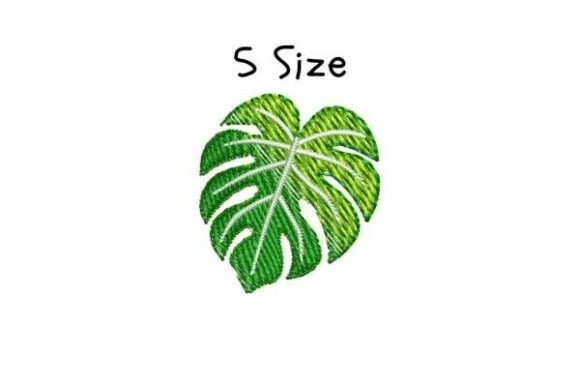
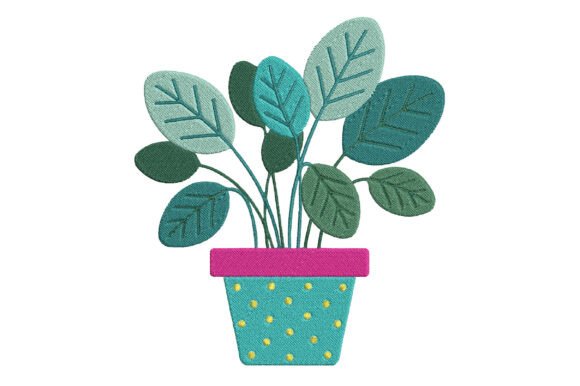
As an embroidery designer who’s developed hundreds of commercial designs for small businesses—from neighborhood cafés and florists to handmade studios and pet brands—I approached the Houseplant Embroidery Design with a practical eye: not just “does it look nice?” but “does it communicate professionalism, scale reliably, and reinforce brand identity across real-world merchandise?” Right away, its description—“a modern indoor plant in a minimal botanical style”—tells me this isn’t a fussy, over-detailed illustration. It’s clean, intentional, and quietly confident. That minimal aesthetic reads as premium, approachable, and calm—ideal for brands that value mindfulness, sustainability, or artisanal care. It avoids feeling rustic or overly decorative, landing instead in that sweet spot between handmade warmth and polished modernity.
Where This Design Shines in Small Business Merch
The Houseplant Embroidery Design excels where subtlety and consistency matter most. On staff aprons for a boutique bakery or local florist? It adds quiet sophistication without competing with product displays. As a chest patch on unisex work shirts for a creative studio or co-working space? Its balanced proportions read clearly at 2.5–3 inches—ideal for uniform cohesion. For cap embroidery on structured cotton twill, the open negative space and simplified leaf forms prevent thread buildup and maintain crispness even after repeated wear. As a tote bag design for a plant shop or wellness brand, it scales beautifully: centered above the handle seam or subtly tucked into a corner, it becomes a signature mark—not a statement, but a whisper of identity.
It also works exceptionally well as an embroidered patch for customer thank-you gifts (think: sewn onto reusable produce bags or branded seed packet sleeves) and as a sleeve detail on staff uniforms for a café or holistic wellness center. Because it belongs to the Single Flowers category yet reads more like a stylized icon than a literal bloom, it bridges botanical charm with versatile branding—making it equally at home on a pet brand’s bandana as on a ceramicist’s packaging accent.
Smart Placement & Practical Limits
Like any strong machine embroidery design, the Houseplant Embroidery Design performs best when matched to the right application—and avoided where physics or perception work against it. Avoid using it smaller than 1.75 inches as an embroidered patch; fine stems or subtle contours may lose definition on curved surfaces like cap fronts or tight-fitting tote straps. On dark uniforms (especially deep navy or charcoal), confirm thread color contrast early—light greens or muted teals often lift better than pale mint if fabric texture is heavy or napped. Also, test it on textured fabrics like linen-blend aprons or canvas totem bags: high stitch density in dense foliage areas can flatten detail unless paired with the right cutaway stabilizer.
This isn’t a design built for intricate realism—it’s built for recognition. So skip pairing it with tiny custom lettering or complex borders in the same hoop. Let it breathe. Its strength lies in isolation: one clean motif, one consistent scale, one thoughtful placement.
How It Strengthens Your Brand Identity
Small business customers don’t just buy products—they buy alignment. A well-executed Houseplant Embroidery Design signals intentionality. When stitched cleanly on a barista’s apron or a florist’s tote, it tells customers: “This brand values quality, calm, and craft.” That builds trust faster than any tagline. Visually, it supports cohesive design assets—pairing seamlessly with soft typography, natural paper labels, or neutral-toned packaging. It elevates perceived product value, especially for handmade product lines, because embroidery inherently conveys time, care, and permanence. And unlike screen-printed logos, it stays legible through washes and wear—keeping your brand visible, professional, and tactilely memorable.
What Every Embroidery Designer Should Test First
Before committing to production—whether for custom apparel, apron embroidery, or event merch—run these checks:
- Test in black and white first. Does the silhouette hold? Are stem lines distinct from leaf shapes without color cues?
- Verify small patch size performance. Resize the digital embroidery file to 1.75" and inspect stitch paths—no floating threads, no overcrowded zones.
- Review thread color contrast against your actual fabric swatches—not just on-screen. Natural light changes everything.
- Check spacing and clearance around outer edges. Tight hoops demand breathing room; verify no elements butt against the hoop border.
- Confirm hoop size compatibility with your primary machines—especially if you’re digitizing for multi-head commercial embroidery.
- Stitch a physical sample on your target fabric with recommended stabilizer. Texture, stretch, and weave dramatically affect final clarity.
- Create a printable mockup for client approval—show it on a real tote bag, cap, or apron image so stakeholders visualize context, not just stitches.
- Compare it beside existing design assets. Does it harmonize with your logo, website palette, and packaging? Consistency compounds recognition.
- Confirm commercial licensing before bulk use—this embroidery file must be cleared for small business merch, not just personal craft projects.
The Houseplant Embroidery Design isn’t just another botanical motif—it’s a strategic tool. When applied thoughtfully, it turns everyday items—caps, totes, uniforms, patches—into quiet ambassadors for your brand. It balances minimalism with meaning, simplicity with distinction, and handmade charm with commercial readiness. For small business owners, Etsy sellers, and embroidery shops alike, it’s proof that sometimes, the freshest statement isn’t loud—it’s rooted, calm, and confidently stitched.